Having spent the entirety of 2025 waist deep in the most imposing catalog in all of pop music—devoting much of my listening and all of my writing to a single band and operating with a self-imposed weekly deadline—I’ve decided to keep things a little more casual in 2026. I’m still feeling the ‘immerse myself in a discography’ impulse, but not necessarily with the intended purpose of creating new content for Strange Currencies. If it happens, great. If not, great. And over the course of January, I spent quality time working through the very manageable catalogs of The Velvet Underground, Nirvana, and the first phases in the careers of Blondie and Wire.
A couple of weeks ago, my wife and I were out to lunch when I heard a familiar voice over the restaurant’s speakers; at least, I was pretty sure that it was a familiar voice, but I had to use Shazam to make sure. The song was “Tony Adams,” from Joe Strummer’s first record with The Mescaleros. And honestly—even though the music was playing a little faintly—I was more than a bit embarrassed that I had to resort to an app to be sure that I was hearing the voice of a man that I’ve often cited as one of my absolute heroes within the realm of music. But really, it reaffirmed that—aside from Streetcore, which I know relatively well—I need to familiarize myself with Strummer’s late-career work.
And so, after lunch, I set out to buy the Joe Strummer box set, 002: The Mescaleros Years. I found it for $175 at a Portland shop that I’m not a big fan of, so I held off. I searched on Discogs, but found that the best-priced copies all shipped from the UK. Last time I ordered a box set from Britain—Numero’s stellar all-encompassing Blondie set—it took three weeks to arrive. I didn’t want to order it then, only to find that my motivation had passed by the time it was in my hands. And so, I ultimately resorted to doing the same thing that I do nearly every time I want to hear Joe Strummer’s voice: I reached for my Clash records.
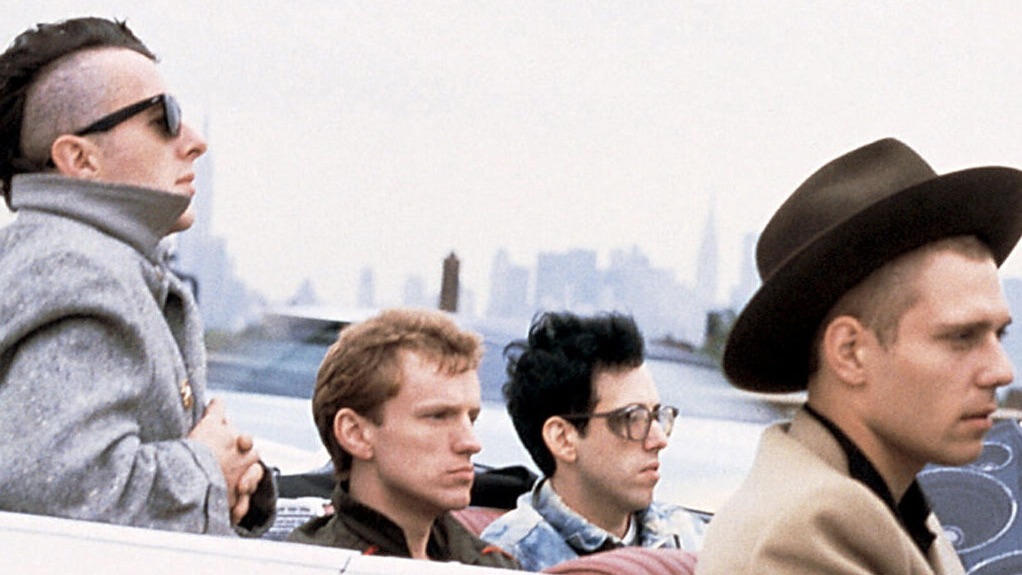
By now writer’s fatigue had worn off enough to where I felt compelled to put together a piece on a group that their own label once shamelessly—and not-wholly inaccurately—had dubbed “The Only Band that Matters.” Aside from the obligatory entries in A Century of Song and The Debut Album Project, I’d only ever written an impassioned defense of 1980’s Sandinista!—one of the most sprawling, underrated, and brilliant collections of music ever released by a rock group. I thought about a Catalog Crawl piece, but I really would’ve had to stretch the ten-album rule that I established for that series; for the record, I did briefly consider counting both versions of the band’s self-titled debut, 1979’s The Cost of Living EP, 1980’s Black Market Clash compilation, and the 1999 live album From Here to Eternity to reach ten titles, but it felt like even more of a stretch than the dubious one that I employed for the CCR entry.
And so, I arrived at a different kind of list: a countdown of the band’s fifty greatest songs, as determined solely by me. I could’ve rounded up the usual Strange Currencies suspects, but at the moment, most of them are occupied with job searches (of both the ‘expected’ and ‘unexpected’ varieties), pressing family obligations, grad school, new cats (Tim), and (no joke) a literal brain surgery (really, but he’s fine and recovering comfortably). So, this is all my work/opinion/fault. Feel free to blast me (and me alone) in the comments. We won’t even make you pay (sorry, Pitchfork) to do so.
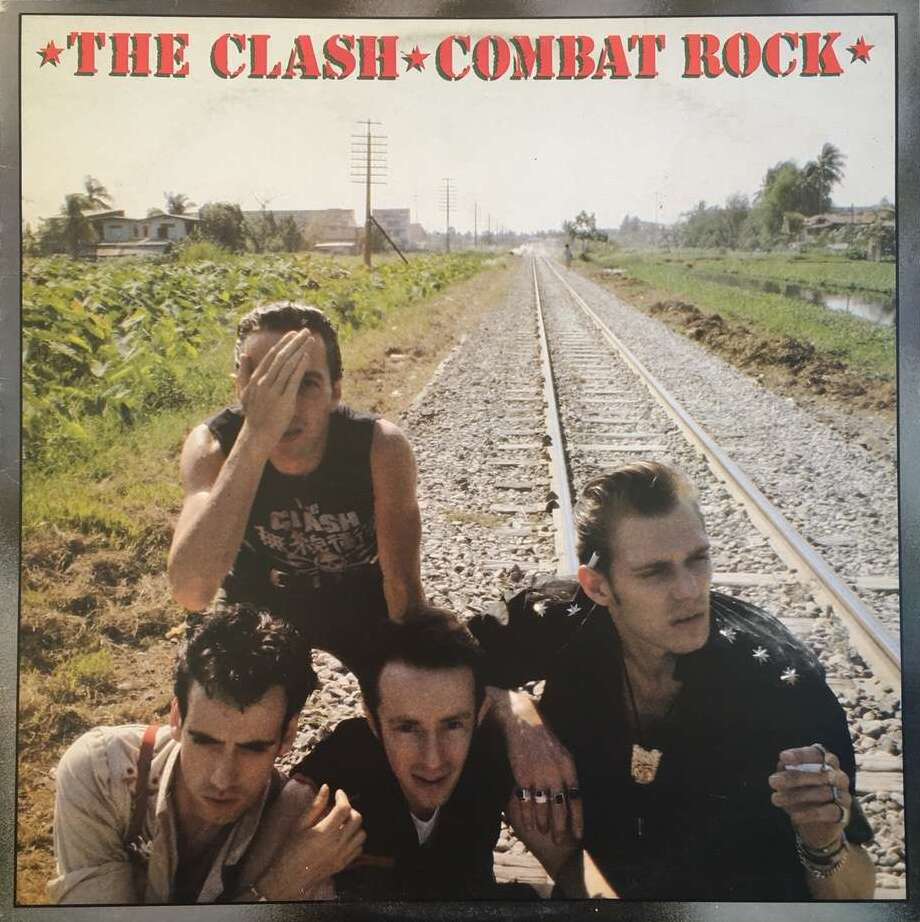
50. “Know Your Rights”
from Combat Rock (1982)
“This is a public service announcement! With guitar!” Okay, it’s a bit on the nose as an album (and list) starter, and there’s a slight heavy-handedness to it, but “Know Your Rights” is an arresting (no pun intended) opener to the final album released by the classic Clash lineup. And on that subject, let’s get it out of the way right now: yes, I think Cut the Crap counts as a Clash album if Joe Strummer said it was a Clash album; yes, it is atrocious; and yes, “This is England” is fine, but it still wasn’t quite good enough to make the cut for this list.
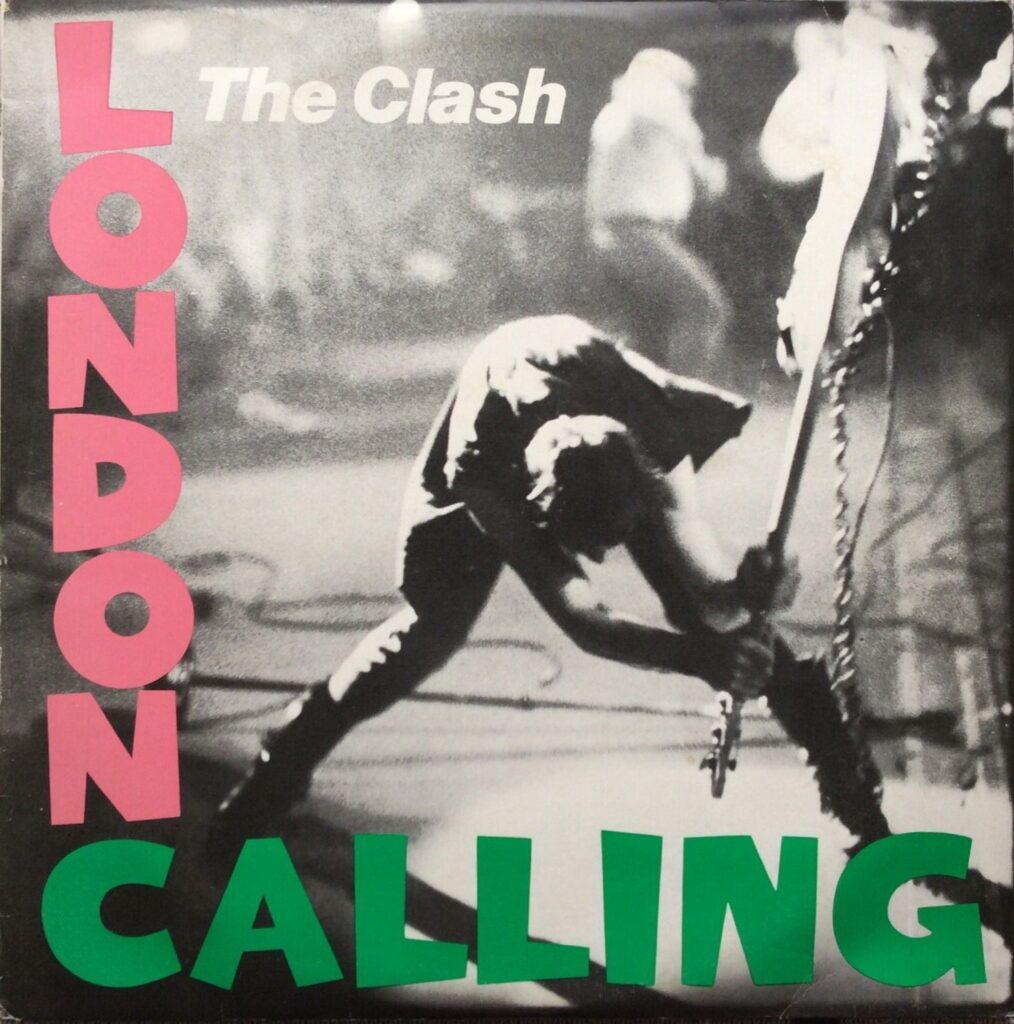
49. “Jimmy Jazz”
from London Calling (1979)
After a blistering pair of opening tracks—each of a very differing kind of intensity—London Calling reveals another side on the wonderfully loose “Jimmy Jazz.” The Clash had already tipped off their affinity for Jamaican music well before this; but here, they do so in a way that is refreshingly playful, heartfelt, and reverent. Satta Massagana, indeed.
48. “Inoculated City”
from Combat Rock (1982)
The second side of Combat Rock contains some of The Clash’s most abstruse material, but all of it—yes, all of it—reveals itself to be quite charming once the initial confusion/disorientation wears off. Of these songs, “Inoculated City” has the most endearing hook, and—for those of us who get sentimental about this sort of thing—it’s just about the last time that we ever get to hear Joe Strummer and Mick Jones singing together.
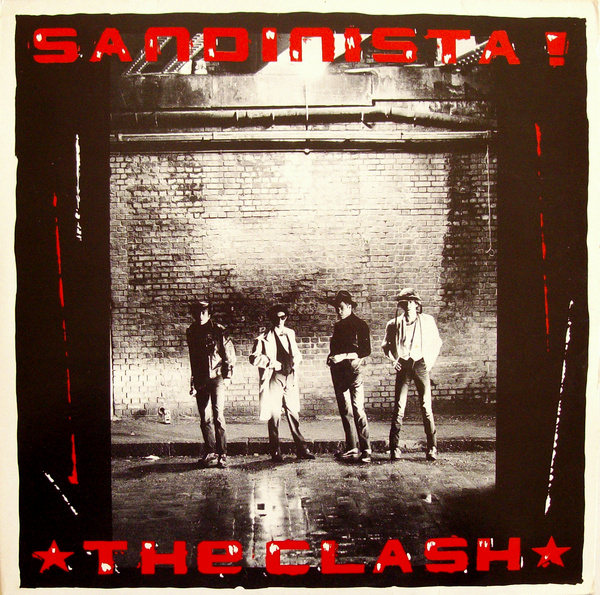
47. “Ivan Meets G.I. Joe”
from Sandinista! (1980)
I’ve firmly established myself as a defender of Sandinista: a record that I not only consider to be unfairly maligned, but a goddamned masterpiece. I made an attempt to rebut every criticism (both legitimate and ridiculous) of it in my aforementioned review; but at the end of the day, I love it for the exact reason(s) that so many others seem to despise it. Simply put, you will not find an album that covers anywhere near this range of sounds and styles, and the audacity of a three-disc, thirty-six song album is beyond impressive. One of the earliest (and oddest) diversions from anything resembling a formula, the Topper Headon-sung “Ivan Meets G.I. Joe” almost seems designed to defy classification, but it’s a blast—and an earworm—regardless.
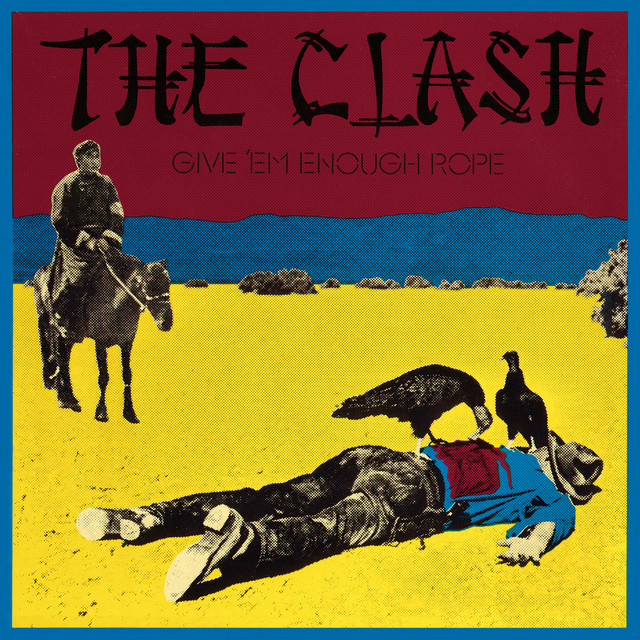
46. “Julie’s Been Working for the Drug Squad”
from Give ‘Em Enough Rope (1978)
The main criticism of The Clash’s second album—1978’s Give ‘Em Enough Rope—is that it overcorrects on the rough-edged debut, and leaves the band sounding like a garden variety hard rock act. I often find criticisms about production to be lacking in actual substance, but I won’t deny that there is a slickness to Rope that leaves it as a (comparatively) undistinguished entry caught between a pair of undisputed masterpieces. Still, there’s excellent stuff to be found here, and this satire of an actual British drug sting operation is a blast. It’s also fun to hear a Beatle reference—possibly to further confuse the lunkheads that took “1977” too literally.
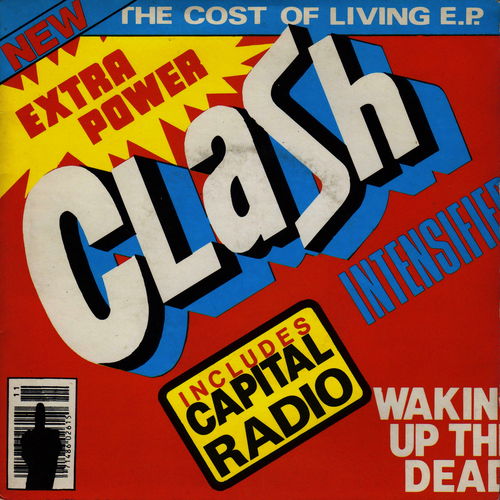
45. “Capitol Radio”
from The Cost of Living [EP] (1979)
Despite the fact that it contains only four songs, The Cost of Living is an essential entry in The Clash’s catalog. This blistering reworking of an older track ends the EP on a high note—as do Joe Strummer’s references to (or digs at) the kind of “radio friendly” hits that still dominated the British pop charts in the wake of punk’s allegedly revolutionary impact on the music scene.
44. “Washington Bullets”
from Sandinista! (1980)
A scathing critique of American foreign policy—complete with marimba—”Washington Bullets” is one of the more immediate tracks on the sprawling Sandinista. Some have criticized The Clash’s politicking as naive, but: A) they were a fucking rock band, not experts in the minutiae of foreign policy; B) their hearts were always in the right place; C) I’d take their politics over those of Reagan and Thatcher eleven days out of ten, and; D) shut the fuck up.
43. “Brand New Cadillac”
from London Calling (1979)
A ripping cover of Vince Taylor and The Playboys’ 1959 hit, “Brand New Cadillac” introduces rockabilly into the wondrous smorgasbord that is London Calling. I won’t say that The Clash invented psychobilly—or Social Distortion—with a mere cover, but clearly there were some folks taking notes.
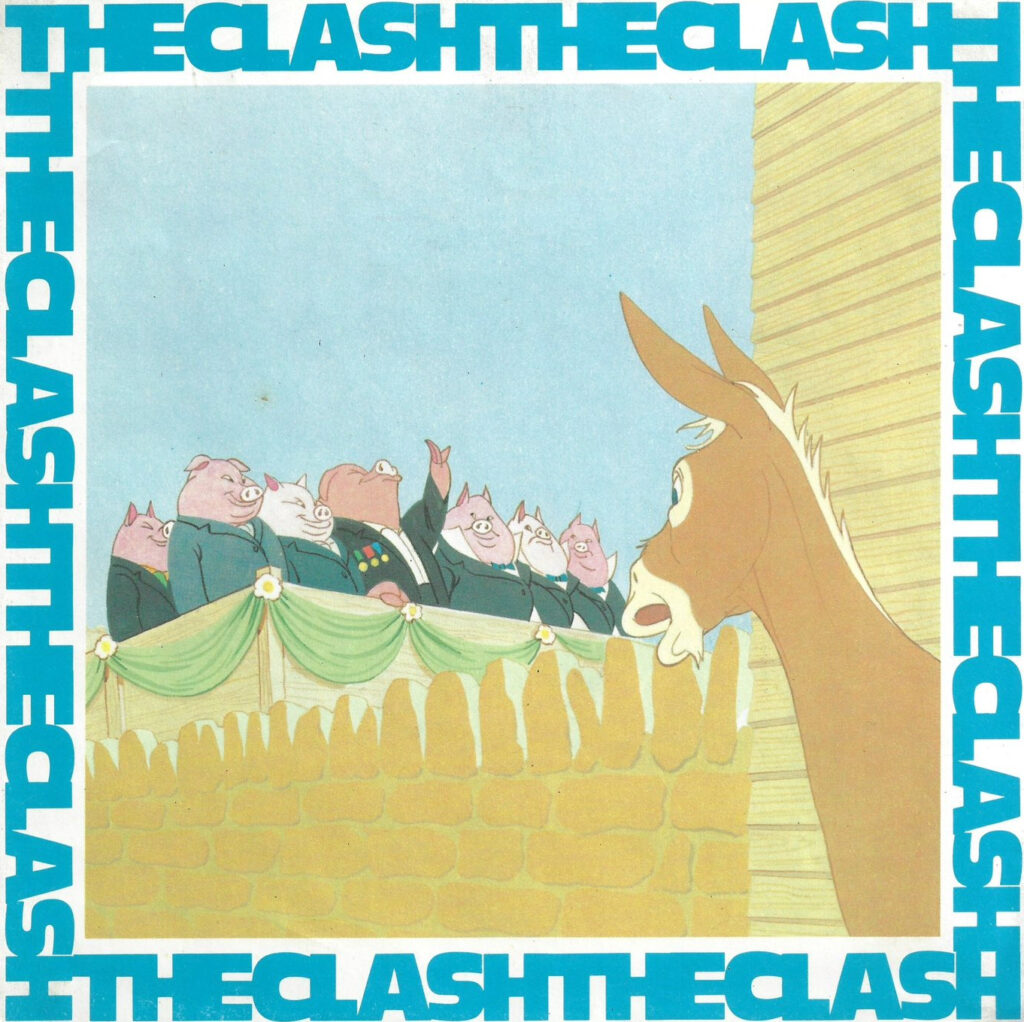
42. “Pressure Drop”
single B-side (1979)
Another cover, the B-side to Give ‘Em Enough Rope‘s “English Civil War”—a slightly-heavy-handed track that just missed the cut—is a spirited take on Toots & The Maytals’ all-timer, “Pressure Drop.” It doesn’t quite match the infectious joy of the original version—what the hell does, right?—but it’s another heartfelt nod to the music that this band of genuine music nerds clearly loved.
41. “Up in Heaven (Not Only Here)”
from Sandinista! (1980)
There’s a very specific thread of my heartstrings that is pulled by the alchemy achieved when Joe Strummer and Mick Jones sing together in harmony, or especially, in unison. Much has been said about the pair being punk’s answer to Lennon and McCartney, but they were a formidable enough duo to provide an updated archetype for a new generation. This underrated Sandinista cut perfectly displays their chemistry.
40. “Gates of the West”
from The Cost of Living [EP] (1979)
Inspired by the band’s first encounter with the United States, “Gates of the West” is another stellar track from The Cost of Living. Mick Jones takes the lead here, and both his lyrics and vocal performance capture the palpable excitement felt by a hungry young band with a new land to conquer.
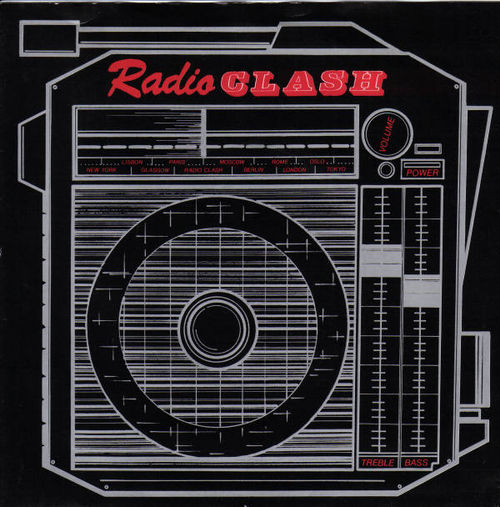
39. “This is Radio Clash”
single A-side (1981)
Though they had already tread similar ground—with better results—on the previous year’s “The Magnificent Seven,” this self-referential A-side found The Clash digging deeper into the disco, new wave, and (especially) hip-hop sounds that so captivated them upon their arrival in America. It was hardly punk; and while plenty of people were bothered by that in real-time, who gives a fuck now?
38. “Hitsville U.K.”
from Sandinista! (1980)
Another one from the decidedly ‘not-punk’ category, “Hitsville U.K.” was Mick Jones’ simultaneous tribute to both Motown and the many independent record labels that began sprouting in England during the late-seventies and early-eighties. Though they (controversially) signed to a major imprint early in their career, The Clash both inspired, and were inspired by, the vibrant sounds coming from the British underground. Acknowledgement should also be given to Jones’ then-girlfriend, Ellen Foley, who takes lead vocals on the track.
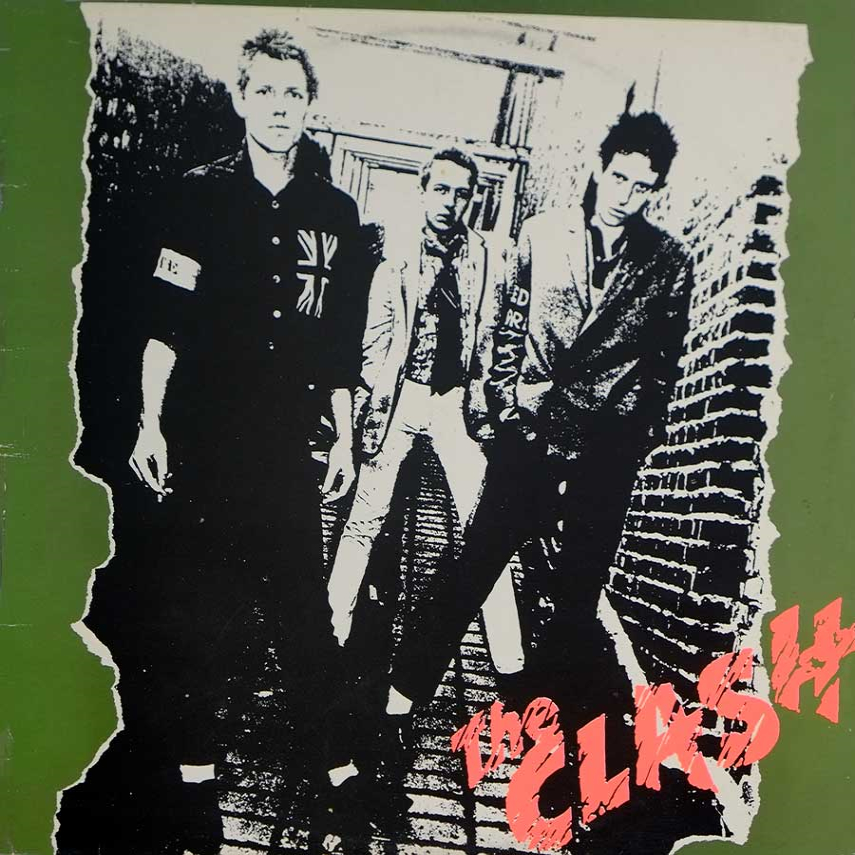
37. “Remote Control”
from The Clash (1977)
An excellent song—one that is arguably just as well-known for the rift that it caused between The Clash and their record label as it is for its actual content—”Remote Control” was infamously issued as the band’s second single by CBS. In retaliation, the group would drop the song from their setlist, and issue the scathing “Complete Control”—one of their finest tracks—as the A-side to their next single.
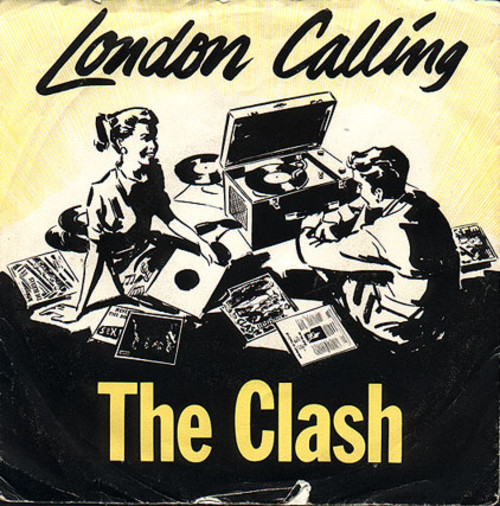
36. “Armagideon Time”
single B-side (1979)
Written by Willie Williams—whose version would (as far as I can tell) be released later—”Armagideon Time” is one of The Clash’s most convincing detours into reggae. While it couldn’t help but be overshadowed by its A-side in real-time, this has become one of the most beloved deep cuts in the band’s catalog.
35. “Tommy Gun”
from Give ‘Em Enough Rope (1978)
An electrifying highlight from Give ‘Em Enough Rope, “Tommy Gun” explodes on the strength of Topper Headon’s snare fills, and the—in the moment—divisive production of Sandy Pearlman. This is undoubtedly a far more polished version of The Clash than the one that had appeared a year earlier on their self-titled debut, but their charisma and chemistry were as palpable as ever.
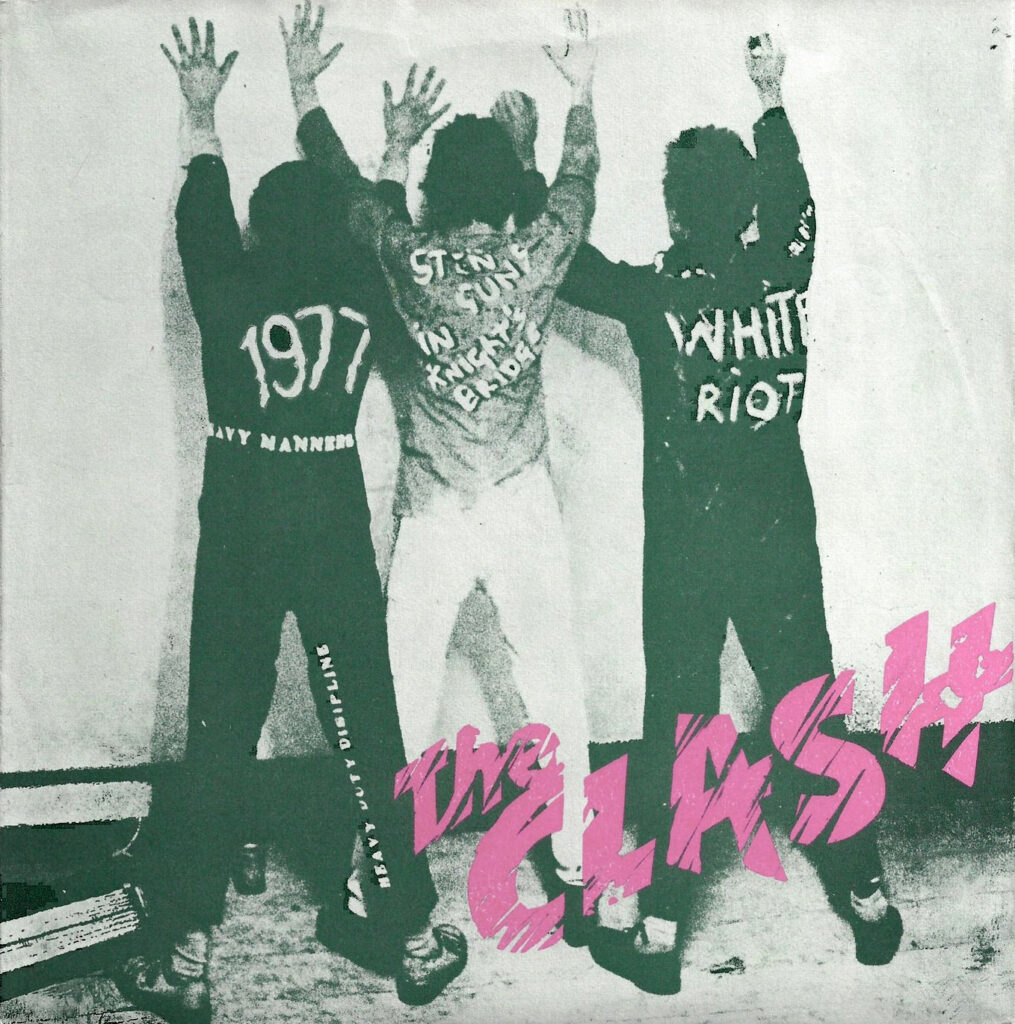
34. “1977”
single B-side (1977)
“No Elvis, Beatles, or The Rolling Stones.” The Clash certainly knew how to grab attention with the B-side to their first single. And in disavowing the pop heroes of a previous generation, they drew a clear line in the sand between punk and everything that had come before. Okay, maybe not that clear, as the riff to “1977” is more than a little indebted to Dave Davies. Oh well, a little posturing never hurt anybody.
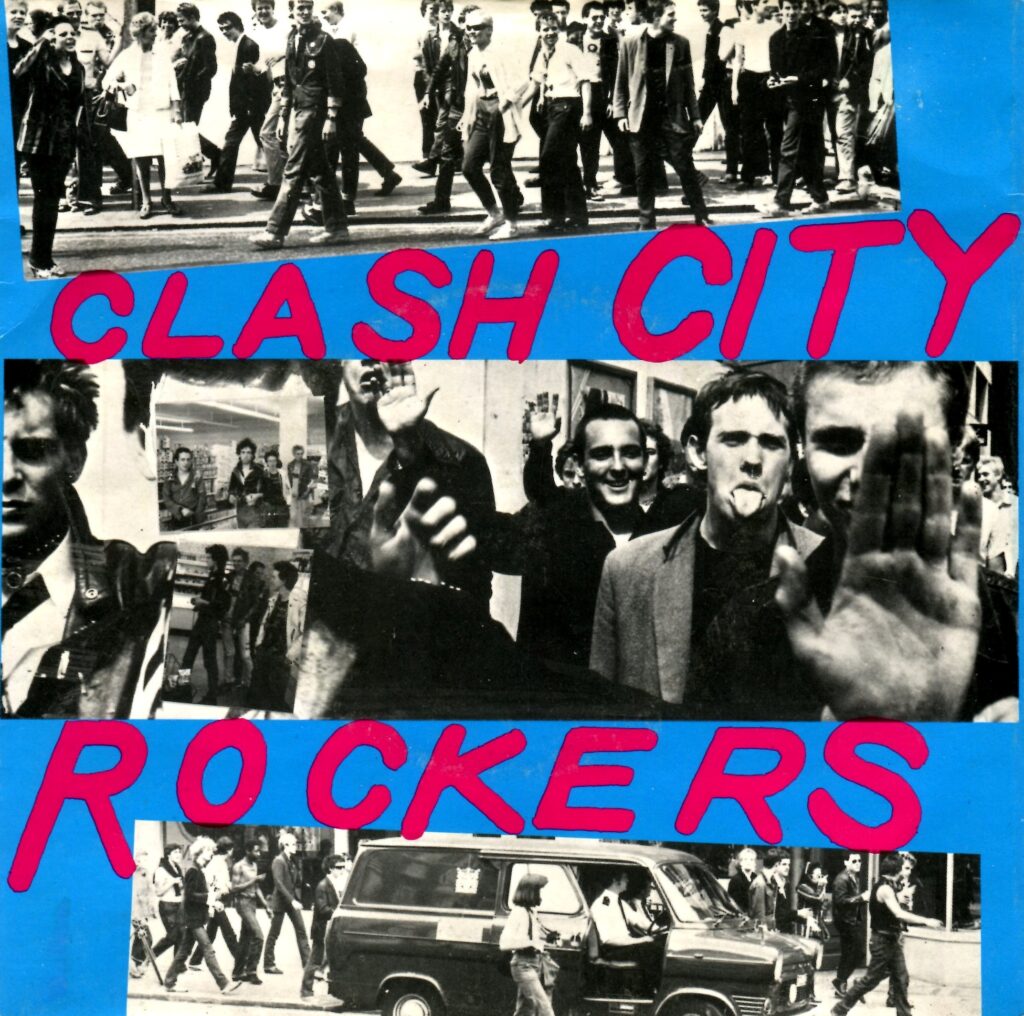
33. “Clash City Rockers”
single A-side (1978)
Speaking of riffs borrowed from giants of the British Invasion, this 1978 A-side—and eventual opener to the American version of the band’s debut—sounds a hell of a lot like Pete Townshend’s opening to “I Can’t Explain.” But that’s (just about) where the similarities end, as the self-referential “Clash City Rockers” is purely of the punk age.
32. “Somebody Got Murdered”
from Sandinista! (1980)
Written for—but not used in—the film Cruising, “Somebody Got Murdered” is a catchy-but-chilling commentary on the indifference that is often taken in response to public violence. Reportedly inspired by a real-life event witnessed (or at least the aftermath) by Joe Strummer, it’s one of the most potent tracks on Sandinista.
31. “London’s Burning”
from The Clash (1977)
Built around a sharp contradictory lyric (“London’s burning with boredom now”), “London’s Burning” is an interesting statement on the disaffected nature of British youth in the late-seventies. While the band would mine similar themes on tracks like “Career Opportunities,” this is a palpable glimpse into the ennui that help to fuel the British punk movement.
30. “I’m Not Down”
from London Calling (1979)
A song of defiance that impressively threads the needle between no less than three genres, “I’m Not Down” is an often-overlooked track from The Clash’s masterpiece. It deftly displays both the raw power and instrumental nuance of a band operating at their absolute peak—all while still being catchy as fuck.
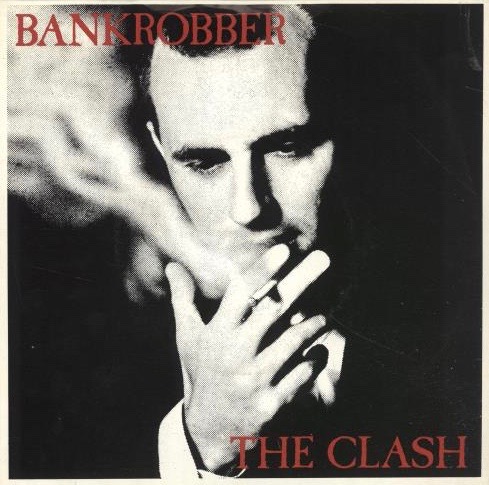
29. “Bankrobber”
single A-side (1980)
Produced by Mikey Dread, this 1980 single is one of The Clash’s most immersive forays into reggae/dub. A tale of robbery—but without the same moral complications of a Robin Hood or Pretty Boy Floyd story—”Bankrobber” finds an altogether different justification for a life of crime. And speaking of ‘justification,’ it’s a little funny/curious seeing commenters in places like YouTube or RateYourMusic arguing over the moral implications of romanticizing theft in a pop song—especially when some of them surely have no problem with real-life crimes like, oh I don’t know, let’s say falsifying business records…
28. “Stay Free”
from Give ‘Em Enough Rope (1978)
The sentiments expressed in this highlight from Give ‘Em Enough Rope always remind me of “Bob Dylan’s Dream” from The Freewheelin’ Bob Dylan. And while Mick Jones’ recollections here aren’t quite as innocent as the ones on Dylan’s track, the sincerity in which the song is delivered still manages to pull on the heartstrings all the same—as does the tiny bit of acoustic guitar that you can hear just as the song fades out.
27. “Charlie Don’t Surf”
from Sandinista! (1980)
Atmospheric, vibey, and built around a famous line from Apocalypse Now, “Charlie Don’t Surf” is a rumination on human nature (“Everybody wants to rule the world / Must be something we get from birth”) and how it ultimately leads to imperialism (“The reign of the super powers must be over”), and its marginally-friendlier neighbor, neocolonialism (“Africa is choking on their Coca Cola”). Heavy stuff for a pop song, but this was no mere pop act.
27. “Rudie Can’t Fail”
from London Calling (1979)
“Sing, Michael, sing!” So begins one of the most joyously effervescent tracks you’re likely to ever hear. That it celebrates the Rude boy—roughly the Jamaican equivalent to the societally-maligned British punk—only adds to the buoyant atmosphere. A life of fecklessness never sounded more appealing than it does here.
Part II: #25-1 (next week)