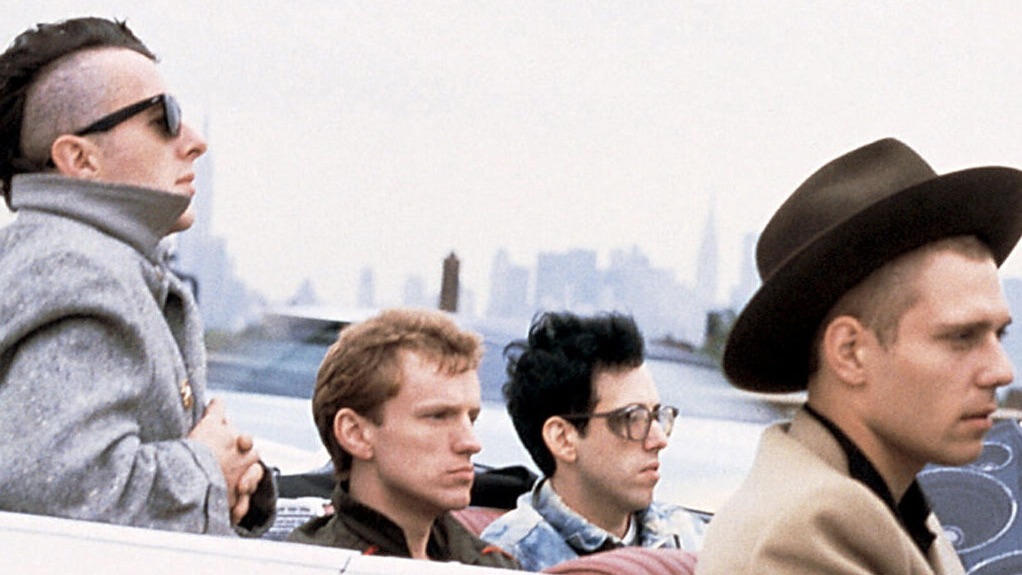
Well, that took longer than planned… Sorry readers, but I’ve been so preoccupied with other endeavors that my plan to quickly follow up Part 1 of this feature hit a bit of a snag. I’ll keep this preamble brief though, and get straight to the business of unveiling the top twenty-five songs from a truly legendary group. Their labeling as “The Only Band That Matters” may have been no more than a marketing ploy by their record company, but I’d be lying if I said that there weren’t plenty of times where it felt like an apt descriptor. In fact, one could argue that (aside from you know who), no band in the history of pop music successfully navigated such a wide variety of moods and modes as The Clash. Picking fifty songs from a catalog of only six albums might seem excessive, but I can’t help but think that I still managed to leave plenty of great tracks on the table.
Anyway, here goes…
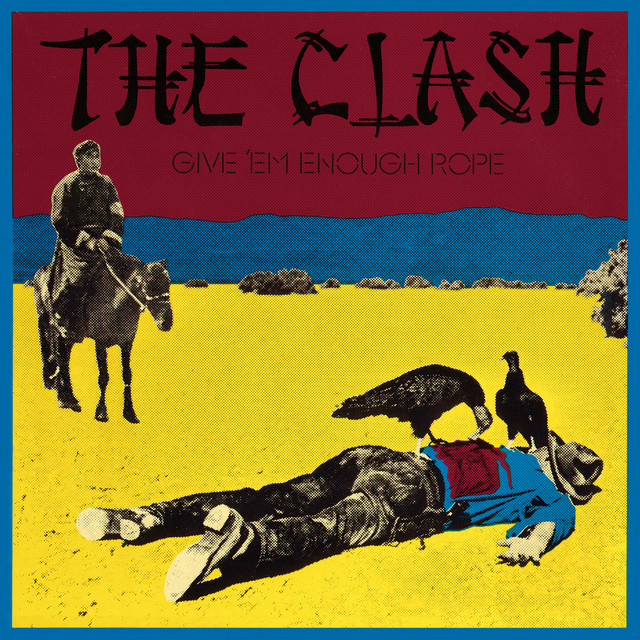
25. “Safe European Home”
from Give ‘Em Enough Rope (1978)
Written about a ‘working vacation’ that Joe Strummer and Mick Jones took to Jamaica, “Safe European Home” stands as the high point of the sometimes-maligned second Clash record, Give ‘Em Enough Rope. Taken at face value, the lyrics suggest that the trip revealed Jamaica to be slightly less idyllic than the pair had hoped—though it’s every bit as likely to be coded commentary on the phenomenon later known as ‘poverty tourism.’ Either way, it’s hard not to get amped up by that snare crack that announces the arrival of the band’s more muscular sound.
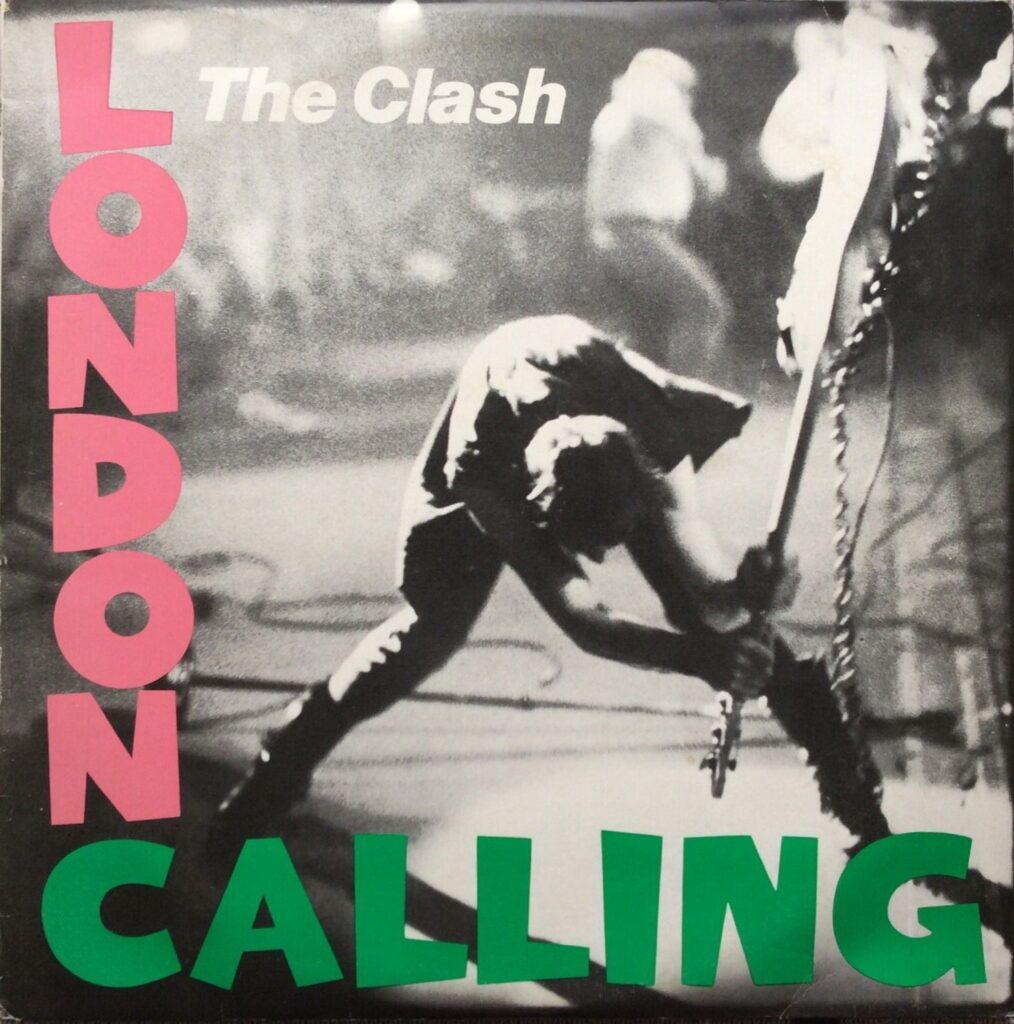
24. “Death or Glory”
from London Calling (1979)
A commentary on generational divides and their relation to music, “Death or Glory” takes a far more nuanced—and cynical—approach to the topic than a song like “1977.” Two years later, Joe Strummer was still lobbing shots at the old guard; only now, he did so with the knowledge that he and his punk brethren were just as likely to fall short of their own ideals. And while it’s mostly remembered for its final line, the song’s second verse is better understood when taken in whole:
And every gimmick hungry yob digging gold from rock ‘n’ roll
Grabs the mic to tell us he’ll die before he’s sold
But I believe in this, and it’s been tested by research
That he who fucks nuns will later join the church
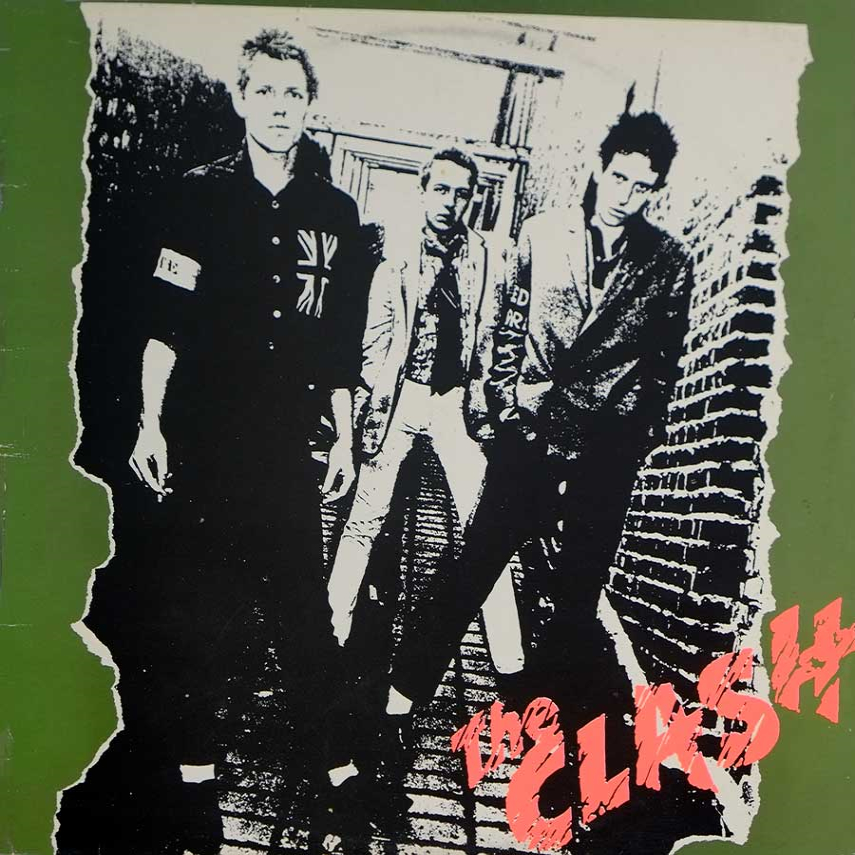
23. “I’m So Bored With the U.S.A.”
from The Clash (1977)
A well-known example of the creative dynamic of the Strummer/Jones duo, “I’m So Bored With the U.S.A.” is another standout from the band’s self-titled debut. Originating as a ‘relationship song’ (“I’m So Bored With You”), the track demonstrates Mick Jones’ knack for a solid hook. However, with Joe Strummer’s lyrical revision, it becomes a biting critique of the ever-growing cultural reach of the United States into its former mother country.
22. “The Card Cheat”
from London Calling (1979)
I imagine that the punks who disdained The Clash for abandoning the simple parameters of their early incarnation would’ve found plenty to hate about this London Calling highlight. But true to those roots, I imagine that the band’s response would’ve been something along the lines of ‘fuck off.’ Is “The Card Cheat” punk? Who the fuck cares? It’s majestic. It’s vivid. It’s beautiful.
21. “Career Opportunities”
from The Clash (1977)
Reflecting just some of the many frustrations that fueled the “No Future” mentality of early British punk, “Career Opportunities” became something of an anthem for the scene. Seething with filth, fury, and a buzzsaw guitar hook, the track is a scathing indictment of the policies and values—enacted by an increasingly conservative and ‘out-of-touch’ generation—that left so many young Britons feeling hopeless.
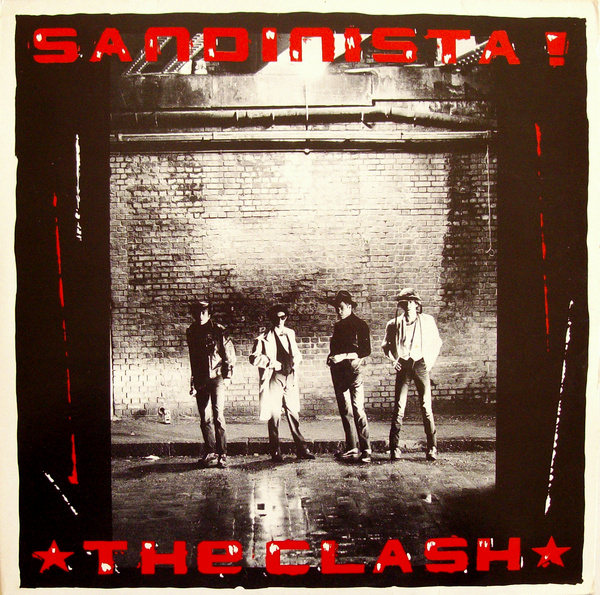
20. “One More Time”
from Sandinista! (1980)
One of the group’s finest encounters with reggae/dub, “One More Time” combines harrowing imagery with an ominous musical backdrop. The mixing and vocal contributions from Mikey Dread also go a long way in making this one of the most immersive—and immediately appealing—tracks from the sprawling Sandinista collection.
19. “Janie Jones”
from The Clash (1977)
As the opening track on the first Clash album, “Janie Jones” has a lot of weight to carry, and it does so in a virtually perfect manner. It’s driving, loud, and is captured in a raw production style that gives the song a sense of urgency. However, it’s also bouncy, fun, and catchy as all hell. And even if you haven’t the slightest idea of who the real Janie Jones was, the song’s perfect equilibrium between sweetness and aggression is bound to make you fall in love with her regardless.
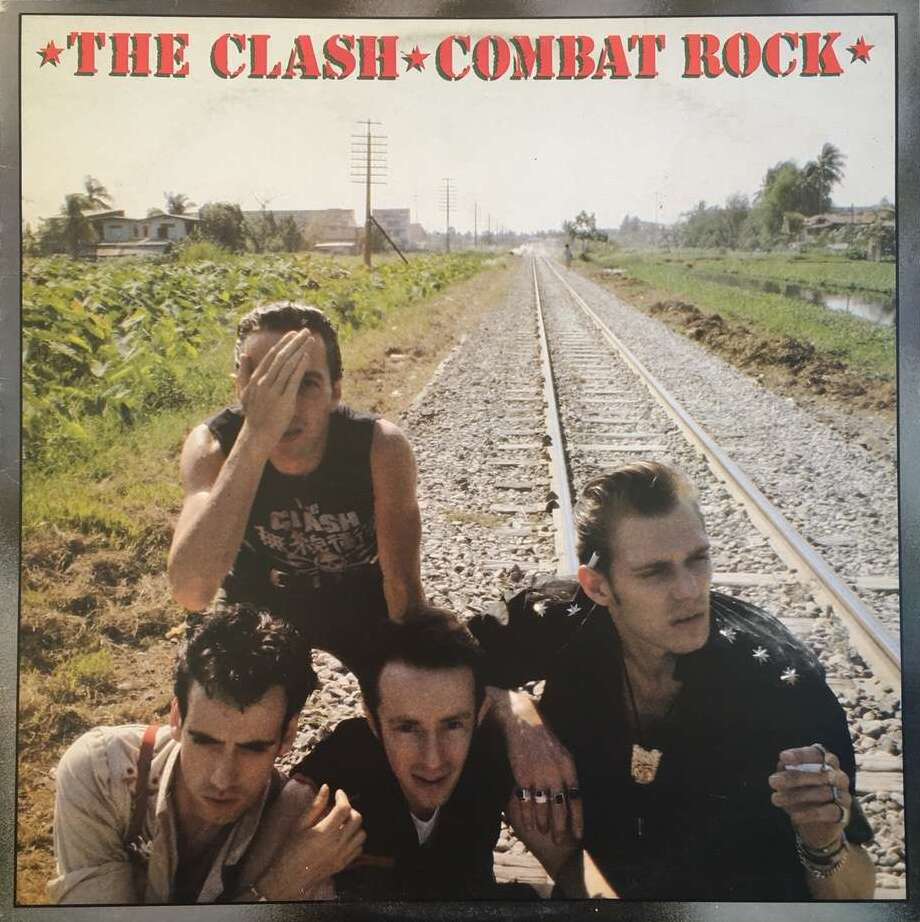
18. “Should I Stay or Should I Go”
from Combat Rock (1982)
A modest success upon its initial release, Mick Jones’ “Should I Stay or Should I Go” became a genuine hit after appearing in a 1991 ad for Levi’s jeans—eventually landing at the top of the British singles chart. While it’s far from the most lyrically substantive track in the band’s catalog, it is undoubtedly one of their catchiest.
17. “The Call Up”
from Sandinista! (1980)
Perhaps it’s the stark black and white imagery of the music video—complete with the visible breath of the band members—but I’ve always found “The Call Up” to be the most chill-inducing track in The Clash’s discography. A commentary on conscription and societal militarism, it slinks along to a dark groove that is wholly unique to this truly singular band.
16. “Hateful”
from London Calling (1979)
Despite its dark lyrical undertones—okay, maybe they’re not all that coded after all—there is something genuinely gleeful about this early London Calling standout. The chorus, in particular, is especially euphoric; perhaps by design, as the buoyancy might just be an effect to symbolize the temporary drug-induced highs that the song is clearly referencing.
15. “Police & Thieves”
from The Clash (1977)
Their first wholly intentional dalliance with reggae, “Police & Thieves” provides plenty of evidence that—even from the outset—The Clash were not going to be limited by the typical confines of punk rock. This version may not quite match the ethereal charm of Junior Murvin’s original take, but that wasn’t the point; The Clash treat Murvin’s composition with the reverence that it deserved, which meant knowing that it could withstand them leaving their own mark on it. In turn, they unleashed another fantastic version of a classic song.
14. “Police on My Back”
from Sandinista! (1980)
Arguably the most immediately appealing track on the notoriously thorny Sandinista—at least for fans of the ‘old’ Clash—”Police on My Back” is a stirring rendition of a 1968 song by the London band, The Equals. It’s a faithful cover of an outlaw song—not quite the best such thing in their catalog—that adds a more-than-sufficient punk edge to a little-known classic.
13. “Spanish Bombs”
from London Calling (1979)
Joe Strummer wrote a song about the Spanish Civil War because of course he did. While the very concept of “Spanish Bombs” sounds like something that the band were essentially obligated to do, they certainly didn’t need to make it as bubbly as they did. However, once the hookiness wears off, you realize that the track—rife with contemporaneous references as well—is far less effervescent that it initially appears.
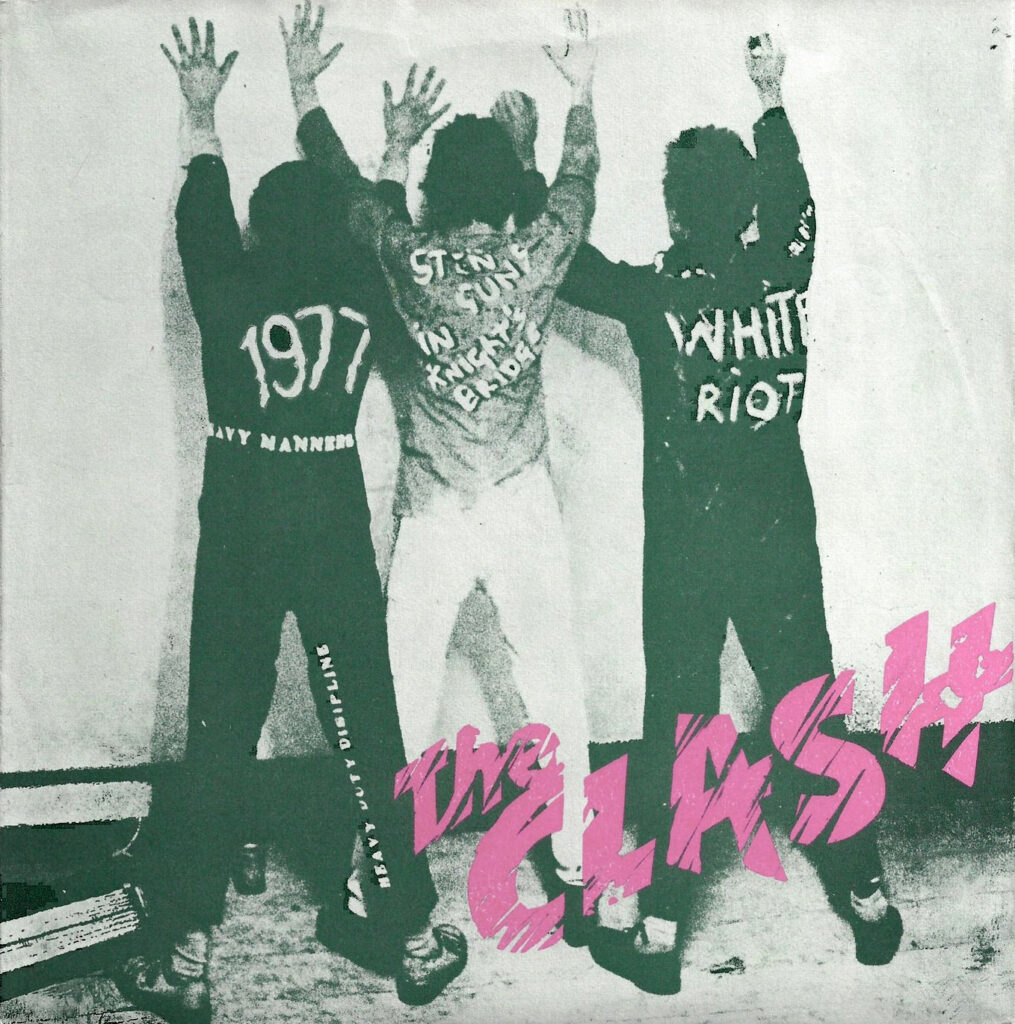
12. “White Riot”
single A-side (1977)
Quite a few knuckle draggers have completely misinterpreted the meaning behind one of the first great Clash songs—and, removed from context, it may be difficult to see what Joe Strummer was getting at here. “White Riot” was written after he and bassist Paul Simonon had participated in the Notting Hill riots of 1976. As white men engaged in an uprising by Black youth, Strummer felt like something of a tourist, and longed for disaffected white Britons to take similar action. It’s a call to arms, concealed within a near-perfect pop single.
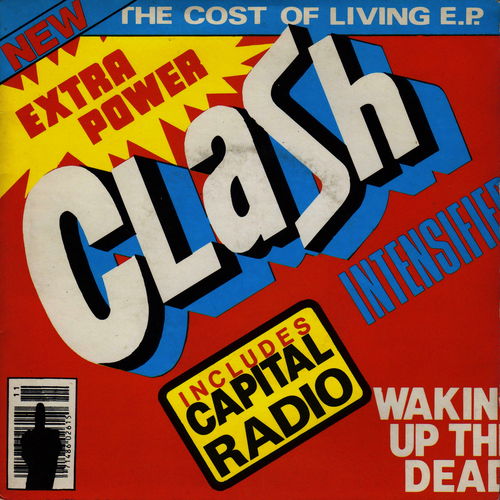
11. “I Fought the Law”
from The Cost of Living [EP] (1979)
While The Bobby Fuller Four turned in their own iconic version of Sonny Curtis’ 1959 original, The Clash’s recording of “I Fought the Law” has to be considered the definitive take of the track. The song’s very nature and composition seem to demand the kind of force that only punk could provide, from the sneering-yet-melodic harmonies of Joe Strummer and Mick Jones, to the cracking six-gun snare fill of Topper Headon. It’s not just The Clash’s greatest cover song, but simply one of the best of all-time.
10. “Lost in the Supermarket”
from London Calling (1979)
Written by Joe Strummer, but sung with just the right amount of vulnerability by Mick Jones, “Lost in the Supermarket” is a highlight on an album with nothing but highlights. A takedown of suburbia, consumerism, and the empty pursuit of status in the face of a society that couldn’t care less, “Lost” is a nuanced depiction of the directionless that many young Britons felt upon the arrival of the Thatcher regime.
9. “Clampdown”
from London Calling (1979)
Another London Calling classic that deftly crosses punk with new wave, “Clampdown” is both forceful and eternally inspiring. Over the past decade or so, I’ve held tightly to the song’s most immortal couplet (“Let fury have the hour, anger can be power / You know that you can use it”) more times than I can count. There may be no more important message to pass along during these times; and the fact that it comes in the middle of such an infectious track only heightens its power.
8. “The Guns of Brixton”
from London Calling (1979)
An all-time great anthem of defiance, “The Guns of Brixton” found bassist Paul Simonon taking the mic for one of London Calling‘s most memorable tracks. Simonon was the band’s true reggae devotee—having grown up in a predominantly Jamaican neighborhood—and thus it makes sense that his moment in the spotlight came with their best track performed entirely within the genre.
7. “The Magnificent Seven”
from Sandinista! (1980)
On the other hand, it was Mick Jones whose obsession with New York’s burgeoning hip-hop culture found its way into The Clash’s repertoire. As the leadoff track to the mammoth Sandinista, “The Magnificent Seven” is merely a brief glimpse into the album’s eclecticism. However, it’s a damned immersive glimpse. Joe Strummer takes the mic here, and his largely-improvised lyrics are alternately sharp, humorous, and absurd. Norman Watt-Roy provided the track’s iconic bass line, which one could argue is enough to elevate the song to greatness on its own.
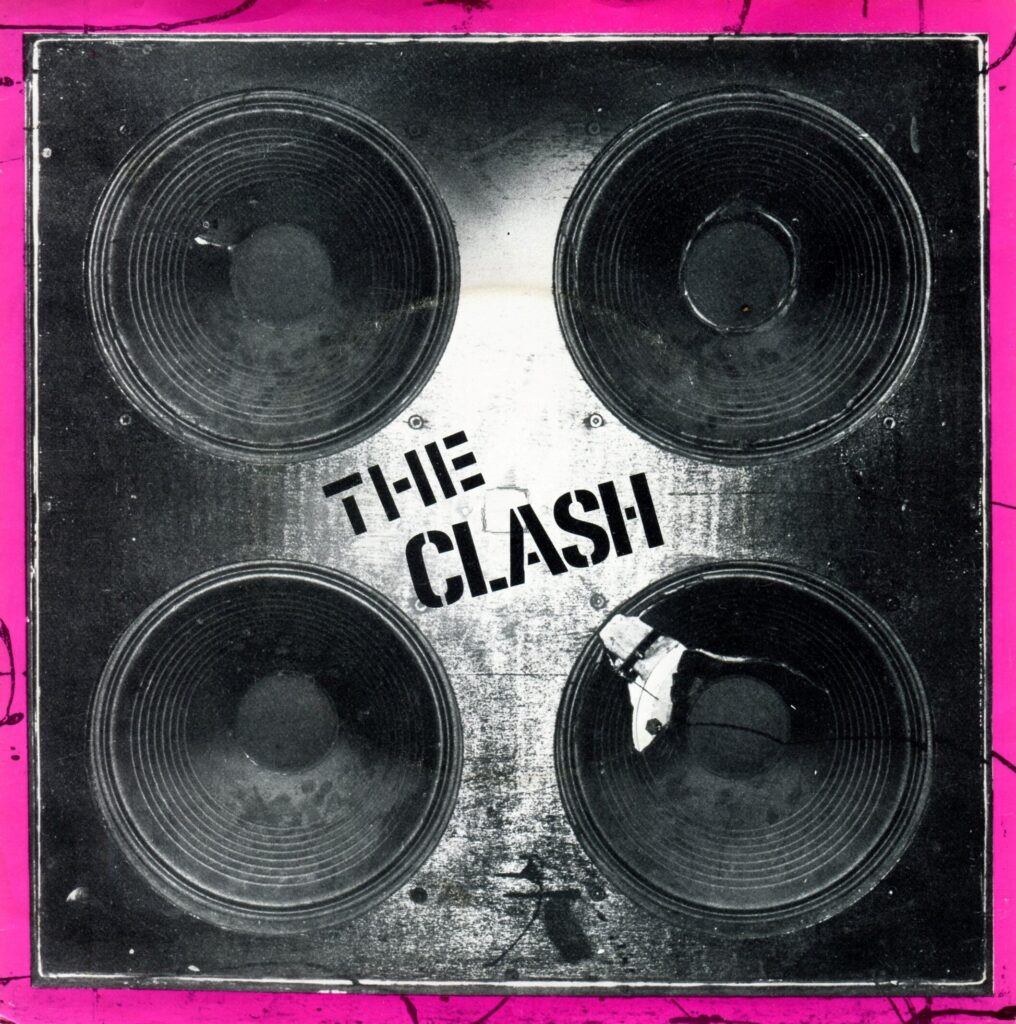
6. “Complete Control”
single A-side (1977)
Famously written as a reaction to the band’s label releasing “Remote Control” as a single against their wishes, “Complete Control” was The Clash’s greatest track to date when it arrived in the early fall of 1977. A classic example of biting the hand that feeds you, the song embodied punk’s anti-authoritarianism to a tee, but did so in a piece that actually stood for something. In this case, it was a call for the kind of artistic freedom that the band would use to their advantage over the thrilling five-year creative run that laid ahead of them.
5. “Straight to Hell”
from Combat Rock (1982)
Often maligned by fans of the band’s earlier work, 1982’s Combat Rock is a genuinely divisive album (for the record, I happen to be quite fond of it). That said, among Combat Rock‘s (nearly) universally-acknowledged highlights is the stunning centerpiece, “Straight to Hell.” The instrumental track is one of the group’s most atmospheric and evocative; it’s spacious in a truly beautiful way—one that they had never quite pulled off to this degree before. Even more affecting are Joe Strummer’s lyrics. A surface-level reading of them may raise a few eyebrows, but Strummer spins a nuanced (and wholly empathetic) portrayal of an often-overlooked aspect of ‘western’ colonialism.
4. “Rock the Casbah”
from Combat Rock (1982)
The other pinnacle of Combat Rock, “Rock the Casbah” would become one of The Clash’s biggest commercial successes. Written and mostly recorded by Topper Headon, the track’s instrumental backing was an almost unclassifiable combination of funk, disco, and R&B—with only the slightest trace of punk. Joe Strummer penned a biting set of lyrics that once again proved to be too nuanced for the imbeciles of the world to comprehend. Not only was the title written onto a bomb dropped by American forces during the First Gulf War—to Strummer’s absolute horror—but the track also appeared on a 2006 list of the top 50 conservative rock songs published by the National Review. Sure, noted conservative Joe Strummer… I guess if these people are stupid enough to vote for Trump, they’re probably not functioning at a high enough level to understand “Rock the Casbah.”
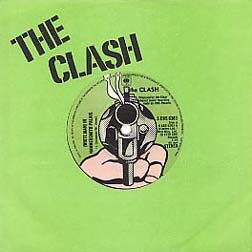
3. “(White Man) In Hammersmith Palais”
single A-side (1978)
A few entries back, I cited “The Guns of Brixton” as the best Clash song in the reggae genre, knowing full well that “(White Man) In Hammersmith Palais” still lingered toward the top of this list. With this track—which many fans cite as the band’s best—The Clash created a true hybrid of the punk rock that they would come to define and the Jamaican influences that were constantly lurking in their work. Furthermore, Joe Strummer penned a set of lyrics that captured a similarly out-of-place sentiment as “White Riot,” but from an even more incisive angle. Specifically, “Hammersmith” finds him lamenting the apolitical nature of a reggae show that he caught at the titular venue; but he does so while realizing that his own critique of the event is also of a problematic nature. It’s nuanced—again, probably too much so for the lunkheads—but it’s a hell of a statement for one hell of a pop song.
2. “Train in Vain”
from London Calling (1979)
And at the end of the day, for all of the rebellion and ambition that they symbolized, at their core, The Clash were simply a marvelous pop group. Nowhere is this more apparent than on the irresistible closer to the band’s masterpiece. Mostly a Mick Jones composition, “Train in Vain” was a crossover hit that went down easy, but that served as an ambassador to one of the most chameleonic albums in the pop canon. It may be the only Clash song to bear this distinction, but the fact that “Train in Vain” can truly be played in (and received warmly by) any crowd, is a damned impressive accomplishment.
1. “London Calling”
from London Calling (1979)
What else could it be, right? If you’re looking for the closest thing to an all-encompassing recording from the so-called “Only Band That Matters,” head right to the opening title track from their magnum opus. A mix of apocalyptic imagery, indelible hooks, and the passionate fury that was their stock in trade, “London Calling” is The Clash in their idealized state. It’s defiant. It’s forceful. It’s fiery. It’s completely committed. It’s simply unforgettable.